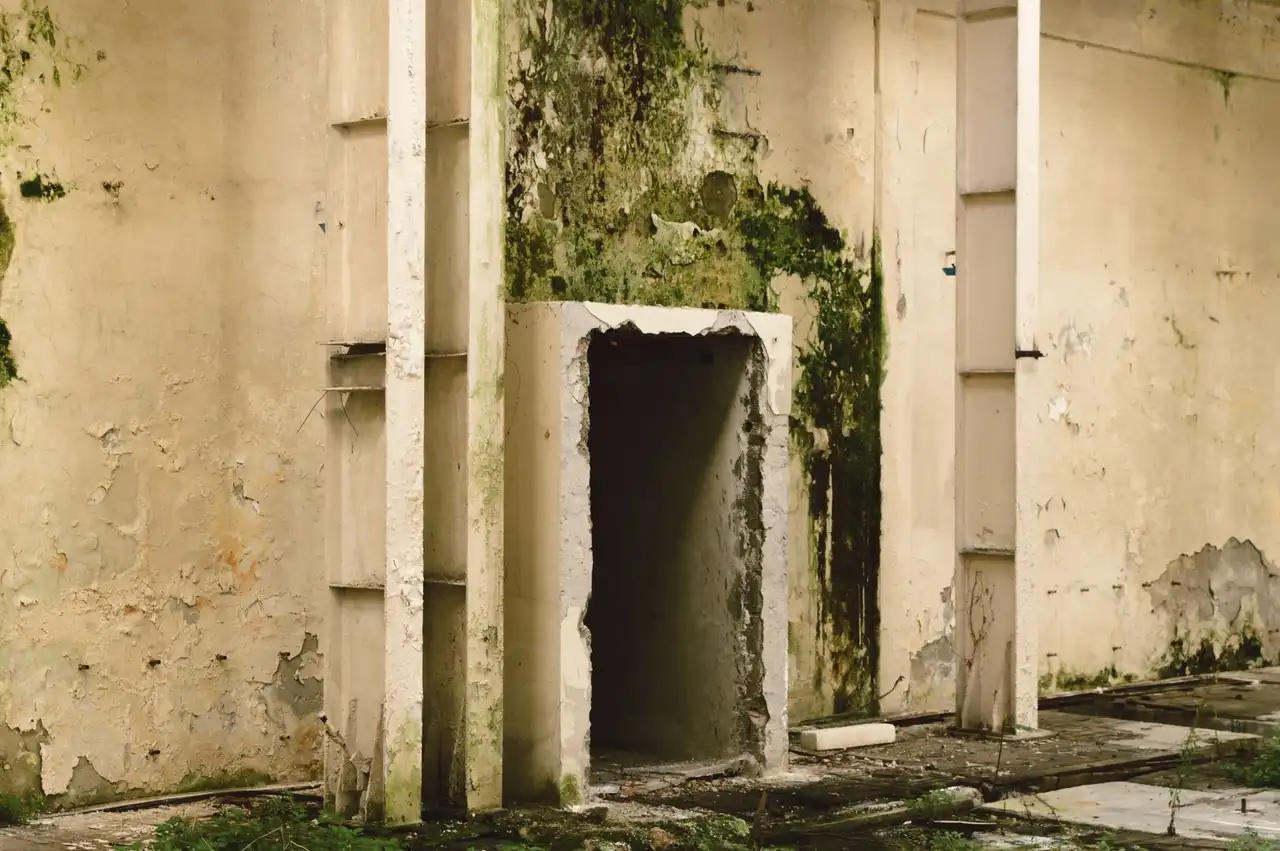
Structural Drying & Moisture Control
Structural Drying and Moisture Control Oklahoma City OK
When a pipe bursts or a storm floods your Oklahoma City home, every hour counts. Our Structural Drying and Moisture Control Oklahoma City OK service removes standing water, dries structural cavities, and verifies moisture levels with calibrated meters. We serve homeowners and property managers across Oklahoma County with 24/7 emergency response, IICRC-certified technicians, and drying equipment sized for Oklahoma's unpredictable weather. We stop the damage before mold gets a foothold.
Service overview
Structural Drying and Moisture Control Oklahoma City OK
Structural drying is not just running a fan and hoping for the best. It is a calculated process that uses air movers, dehumidifiers, and moisture meters to pull water out of drywall, subfloor, framing, and insulation. In Oklahoma City, where humidity swings from 20% to 90% in a single week, we set drying goals based on the material and monitor them daily. Our technicians hold IICRC WRT and ASD certifications, so we know exactly when a wall cavity is dry and when it just feels dry.
Most Oklahoma City water damage calls come from three sources: burst supply lines in older homes, roof leaks after hail storms, and sump pump failures in finished basements. We see it all across Oklahoma County. If you search for structural drying near me in Oklahoma City, you need a team that can be on-site within hours, not days. We extract standing water, set up containment, and start the drying process the same day you call. That speed is what prevents a small leak from becoming a full mold remediation project.
Practical benefits
Why Professional Drying Matters
DIY drying rarely reaches hidden cavities. Professional structural drying Oklahoma City services use commercial equipment and daily monitoring to dry your property completely, preventing mold and saving you thousands in repairs.
Prevent Mold Growth
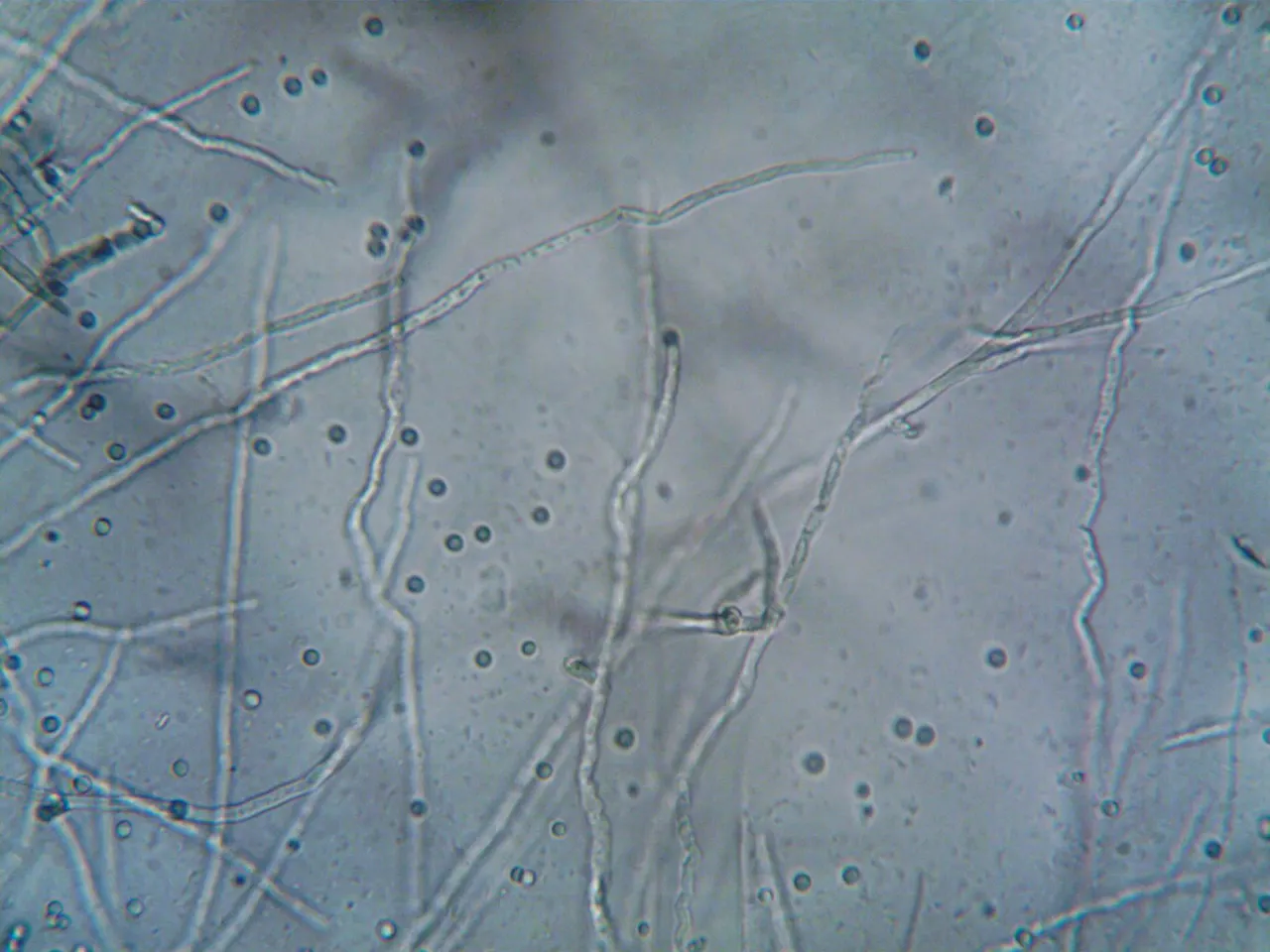
Mold can start growing within 24 to 48 hours of water exposure. Our drying process removes moisture from framing and drywall fast enough to stop Stachybotrys chartarum and other mold species before they colonize. We use HEPA air scrubbers and negative air machines to keep spores out of your living space.
Save Your Structure
Prolonged dampness rots wood, warps floors, and weakens drywall. We dry structural materials to IICRC standards, which means your subfloor and framing stay intact. That saves you from costly reconstruction and keeps your home safe for years to come.
Lower Your Insurance Claim
Insurance adjusters look for documented drying logs and moisture readings. We provide daily reports with hygrometer and thermal imaging data. That documentation proves the loss was mitigated properly, which helps your claim get approved faster and reduces out-of-pocket costs.
Restore Indoor Air Quality
Damp materials release odors and allergens. Our moisture control services Oklahoma City OK include HEPA filtration and antimicrobial coating applications. You get clean, dry air and a home that smells normal again, not like a wet basement.
How service works
Our Structural Drying Process
We follow a proven five-step process that starts the moment you call. Every step is documented, and you get daily updates on moisture levels and drying progress.
STEP 01
Emergency Assessment
We arrive within 60 to 90 minutes for emergency calls in Oklahoma City. A certified technician walks the property with a moisture meter and infrared thermal imaging camera to map the extent of water intrusion. We identify the source, categorize the water, and write a drying plan before we move a single piece of equipment.
Tools and methods
Tools and Methods We Use
Dri-Eaz and Phoenix Dehumidifiers
These commercial-grade dehumidifiers remove large volumes of water from the air. We use desiccant and refrigerant models depending on the temperature and size of the space.
XPOWER Air Movers
High-velocity air movers create a vortex that evaporates moisture from walls, floors, and ceilings. We position them to maximize airflow across wet surfaces.
FLIR Infrared Thermal Imaging Camera
This camera detects temperature differences that indicate hidden moisture. We use it to find water behind walls and under floors without destructive testing.
Protimeter Hygrometer
We use this meter to measure moisture content in building materials and relative humidity in the air. It gives us precise readings to determine when drying is complete.
Abatement Technologies HEPA Air Scrubber
This unit filters airborne mold spores, dust, and debris. We run it during drying to protect indoor air quality and prevent cross-contamination.
Borescope
A borescope lets us see inside wall cavities without cutting large holes. We use it to inspect for hidden mold growth and moisture pockets.
IICRC S500 Standard
We follow the IICRC S500 standard for water damage restoration. This means we categorize the water, classify the extent of saturation, and set drying goals based on the materials affected. It is the industry benchmark for professional drying.
Psychrometric Calculations
We use psychrometric charts to calculate the dew point and specific humidity. This tells us how much moisture the air can hold and how many dehumidifiers we need. It is a scientific approach that prevents guesswork.
Negative Air Pressure
When mold is present, we set up negative air pressure using HEPA air scrubbers and ducting. This keeps spores from spreading to clean areas of your home. It is a critical containment method.
Antimicrobial Coating Application
After drying, we apply an antimicrobial coating to framing and drywall. This provides residual protection against mold growth. We use EPA-registered products safe for indoor use.
Where this service fits
When You Need Structural Drying
A supply line bursts under the kitchen sink while you are at work.
We extract the water, remove the damaged cabinet base, and set up air movers and a dehumidifier. We check moisture levels in the adjoining rooms to make sure water did not wick into the walls. Your kitchen is dry in three days, and the cabinets are saved. No mold growth occurs.
A severe storm drives rain through a damaged roof, soaking your attic insulation.
We remove the wet insulation, dry the attic framing with air movers, and apply an antimicrobial coating. We also use a moisture meter to check the ceiling drywall below. The attic is dry and mold-free. You avoid a full insulation replacement and costly mold remediation.
A sump pump fails during a spring storm and floods your finished basement.
We pump out standing water, extract from carpet and padding, and set up containment. We use desiccant dehumidifiers to dry the space quickly and prevent musty odors. Your basement is dry and usable again in four days. The carpet is saved, and no mold develops.
A commercial building has a roof leak that drips into a server room.
We respond immediately, extract water from the raised floor, and set up HEPA air scrubbers to protect sensitive equipment. We use thermal cameras to find all moisture pockets. The server room is dry within 24 hours, and no equipment is damaged. Business operations continue without interruption.
Local execution
How We Dry Oklahoma City Properties
Oklahoma City sits in a climate transition zone where humidity can spike after a storm and drop just as fast. That swing stresses building materials. Our drying approach accounts for this by using desiccant dehumidifiers when temperatures are low and refrigerant units when it is warm. We also know the local building stock: many homes in Heritage Hills and Mesta Park have pier-and-beam foundations that allow water to pool underneath. We inspect crawl spaces and use borescopes to check for moisture. For slab-on-grade homes in Quail Creek, we focus on drying the slab and baseboards. We follow Oklahoma County code requirements for moisture barriers and ventilation. If you need structural drying for a flooded home in Oklahoma City, we have the local experience to do it right.
Heritage Hills
Many historic homes here have original wood framing and pier-and-beam foundations. We dry crawl spaces carefully to prevent wood rot.
Mesta Park
Older plumbing and clay soil cause frequent supply line leaks. We respond fast to minimize damage to original hardwood floors.
Quail Creek
Slab-on-grade homes are common. We use thermal cameras to check for moisture under tile and hardwood without tearing them out.
Crown Heights
Mature trees and hail storms lead to roof leaks. We dry attic insulation and ceiling drywall to prevent mold.
Belle Isle
Lakefront properties face high humidity. We use desiccant dehumidifiers to dry the air and prevent condensation.
High humidity after spring storms
Elevated outdoor humidity slows drying. We use desiccant dehumidifiers that work efficiently in warm, humid conditions.
Clay soil that shifts with moisture
Shifting soil cracks foundations and lets water into basements and crawl spaces. We inspect foundation walls and dry any wet areas.
Hail storms that damage roofs
Roof leaks soak attic insulation and ceiling drywall. We extract water and dry the attic structure to prevent mold.
Freeze events that burst pipes
When temperatures drop below 20F, pipes in attics and crawl spaces freeze and burst. We respond 24/7 to extract water and dry the structure.
Problems we solve
Problems We Solve for Oklahoma City Properties
Water damage creates a cascade of problems if it is not addressed quickly. We solve the immediate moisture issue and prevent the long-term consequences that cost thousands.
Hidden moisture behind walls and under floors
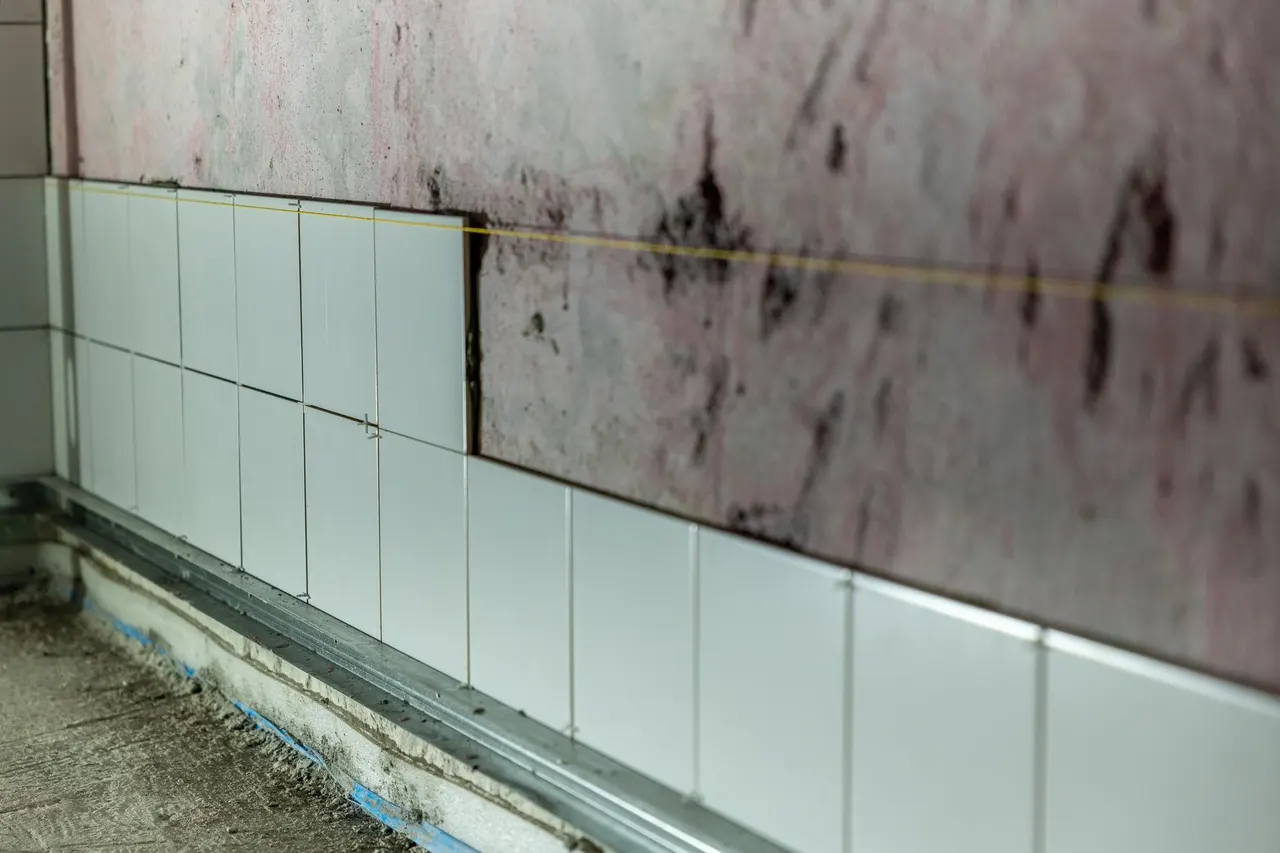
We use infrared thermal imaging cameras and moisture meters to find hidden water. Then we set up drying equipment to pull moisture out of cavities without tearing your walls apart. Trapped moisture feeds mold growth and rots structural framing. By the time you see stains, the damage is often extensive.
Musty odors that will not go away
We combine HEPA air filtration with antimicrobial treatments to eliminate odors at the source. Our drying process removes the moisture that mold needs to survive. Persistent odors mean active mold or bacteria growth. Ignoring it can lead to respiratory issues and expensive remediation.
High indoor humidity after a leak
We use commercial dehumidifiers to bring indoor humidity down to 40-50%. We monitor with hygrometers and keep the equipment running until the air is dry. Elevated humidity causes condensation on windows and walls, which leads to mold and wood rot. It also makes your HVAC system work harder.
Insurance claim denials due to poor documentation
We document every step with photos, moisture readings, and equipment logs. You get a complete report that meets insurance requirements and supports your claim. Without proper drying logs and moisture readings, adjusters may deny your claim or reduce the payout.
A practical standard for every visit.
Clear planningPrepared arrivalsCareful workLocal follow-through
Experience in the details
14 Years of Oklahoma Drying Experience
Oklahoma Mold Force has been drying Oklahoma City structures since 2012. Our team includes IICRC Water Restoration Technicians (WRT) and Applied Structural Drying (ASD) specialists. We have dried everything from 1920s bungalows in Mesta Park to modern commercial buildings in downtown Oklahoma City. Our technicians train annually on the latest drying science, including the use of FLIR thermal cameras and Protimeter moisture meters. We know Oklahoma's building stock, from pier-and-beam foundations to slab-on-grade homes, and we adjust our drying approach accordingly.
- IICRC WRT and ASD certified technicians on every job
- ACAC Council-certified Microbial Remediation Supervisor (CMRS) oversight
- 14 years serving Oklahoma County and surrounding areas
- Over 3,200 water damage drying projects completed since 2012
- Fully insured, bonded, and EPA RRP certified for lead-safe work
Where we work
One local team. A lot of ground covered.
Quail CreekThe GreensHeritage HillsMesta ParkCrown HeightsEdgemere ParkBelle IsleLakehurstLincoln TerraceCleveland
Check my address Structural drying should start within 24 to 48 hours of water intrusion. Mold can begin growing in that window, and materials like drywall and insulation degrade quickly. We recommend calling us immediately after you shut off the water source. Our team arrives within 60 to 90 minutes for emergency water damage drying Oklahoma City OK calls and begins extraction right away.
Most residential water damage drying projects in Oklahoma City cost between $1,200 and $3,500 in 2026, depending on the square footage, water category, and how long the moisture has been present. Commercial building drying services Oklahoma City projects run higher. We provide a written estimate before we start, and we work with your insurance to minimize out-of-pocket costs.
We use commercial-grade air movers, dehumidifiers, HEPA air scrubbers, and moisture meters. Brands include Dri-Eaz, Phoenix Restoration Equipment, XPOWER, and Abatement Technologies. We also use infrared thermal imaging cameras from FLIR and Protimeter hygrometers to detect hidden moisture. Every piece of equipment is calibrated and maintained for accurate readings.
Yes. If structural drying begins within 24 to 48 hours and brings all materials to dry standard, mold growth is unlikely. We use HEPA air scrubbers and negative air machines to capture airborne spores during the drying process. After drying, we apply an antimicrobial coating to framing and drywall as a preventive measure. That combination stops mold before it starts.
Keep exploring
Related Services
Your next step is waiting
Get Structural Drying and Moisture Control Oklahoma City OK Now
Water damage gets worse by the hour. Call Oklahoma Mold Force at (405) 309-1272 for 24/7 emergency response. We are IICRC certified, fully insured, and we document every step for your insurance claim. We arrive fast and dry your property right the first time.
Start with the basics
Contact Oklahoma Mold Force
Call us at (405) 309-1272 or email info@oklahomamoldforce.com. We answer the phone 24/7 for emergencies and can usually schedule an inspection within 24 hours. If you are dealing with mold in Oklahoma City, reach out today and we will get you a clear plan and a written price.