
Mold Prevention
Mold Prevention Oklahoma City OK That Stops Growth Before It Starts
Mold Prevention Oklahoma City OK is the work we do before you ever see a spot on the drywall: finding the moisture, fixing the source, and sealing the surfaces mold feeds on. We handle homes and commercial buildings across Oklahoma County, from crawl spaces off 73119 to attics in 73099. If you have had a leak, a flood, or a humid summer, call (405) 309-1272 and we will stop it from turning into a colony.
Service overview
What Mold Prevention Oklahoma City OK Actually Involves
Mold Prevention Oklahoma City OK is a moisture-control service that locates hidden water sources, corrects humidity and ventilation problems, and applies antimicrobial protection so spores never get a foothold. We do not just spray and leave. We map the building with a Protimeter moisture meter and a FLIR infrared thermal imaging camera, then fix what the readings tell us. That means drying a crawl space, sealing a leaking roof penetration, or adding a dehumidifier desiccant system to a basement that has been damp since the last flood.
Oklahoma City sits in a climate that swings hard: humid springs, 100-degree summers, and ice storms that push water through roof flashing. That combination keeps attics, crawl spaces, and HVAC closets wet long enough for Stachybotrys chartarum to take hold. If you have been searching for a mold prevention service near me in Oklahoma City, the answer is usually moisture management, not bleach. We have run prevention work here since 2012, and the pattern is always the same: control the water, control the mold.

Practical benefits
Why Oklahoma City Property Owners Invest in Prevention
Prevention costs a fraction of remediation, and it protects the structure you already paid for. Here is what our Oklahoma City mold prevention work delivers.
Stop Growth Before It Spreads
Mold can colonize a wet surface in 24 to 48 hours. Our preventive mold control for buildings Oklahoma City wide focuses on the source first, so you are not paying to remove drywall later. We dry the cavity, treat the framing, and confirm with a moisture meter that readings are back under 15 percent before we close anything up.
Cut Humidity at the Source
Indoor humidity above 60 percent feeds mold year-round in Oklahoma. We install and calibrate dehumidifiers, add ventilation to bathrooms and laundry rooms, and set a hygrometer so you can watch the number yourself. Most homes we treat hold 45 to 55 percent after the work is done, even through July and August.
Protect the Structure
Prolonged dampness rots wood joists, softens drywall, and rusts HVAC components. Home mold prevention services Oklahoma City homeowners call us for usually start with a crawl space or attic that has been wet for months. We dry the framing, apply an antimicrobial coating, and stop the rot before it becomes a repair bill.
Keep Air Quality Clean
Hidden mold growth in a wall cavity or duct run pushes spores into every room. We use a HEPA air scrubber and negative air machine during prevention work to keep the rest of the house clean, then recommend filtration upgrades so your HVAC is not recirculating what it pulled out of the crawl space.
How service works
How Our Mold Prevention Process Works
Every job follows the same five steps, whether it is a 1,200-square-foot bungalow in Mesta Park or a retail building off I-35. Here is what you can expect from the first call to the final walkthrough.
STEP 01
Inspection and Mapping
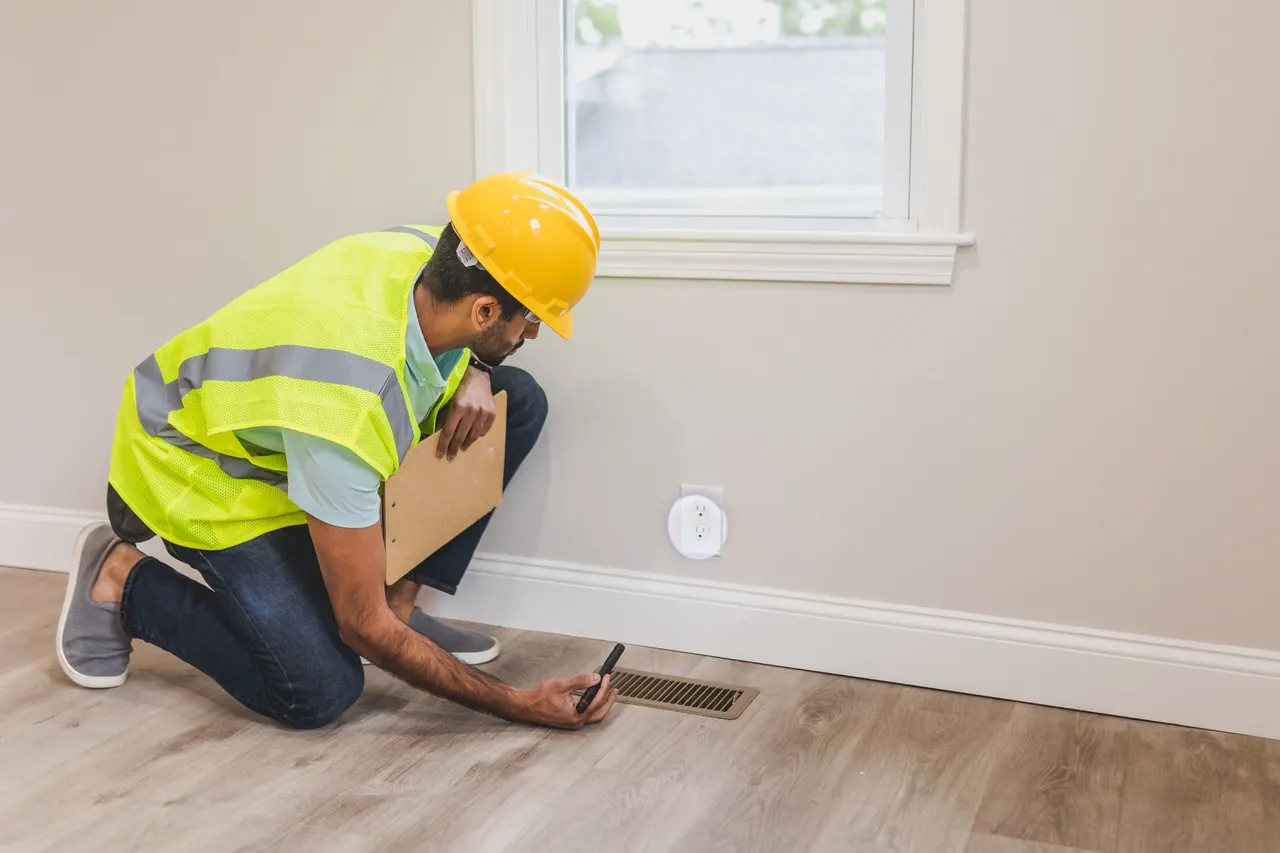
We walk the property with a Protimeter moisture meter, a FLIR infrared thermal imaging camera, and a borescope to check inside walls. You get readings room by room, plus photos of anything wet. A standard home inspection takes 60 to 90 minutes, and we tell you on the spot whether prevention is enough or whether remediation is the honest answer.
Tools and methods
Tools and Methods We Use
Protimeter Moisture Meter
Pin and pinless readings on drywall, framing, and subfloor. We use it to find hidden moisture and to verify the structure is dry before we treat.
FLIR Infrared Thermal Imaging Camera
Shows temperature differences that reveal wet cavities behind finished walls, under floors, and above ceilings without cutting into the surface.
Borescope
A small camera we feed into wall cavities and duct runs to see what the meter and thermal camera suggest. It confirms mold growth or moisture without demolition.
Dri-Eaz and Phoenix Dehumidifiers
Low-grain refrigerant and desiccant units that pull moisture out of crawl spaces, basements, and wall cavities. We size them to the cubic footage of the space.
HEPA Air Scrubber and Negative Air Machine
Abatement Technologies and OmniAire units with HEPA filter media that capture spores during drying and treatment so they do not spread through the house.
Hygrometer
Measures relative humidity in the treated space. We set one so you can watch the number and know when to run the dehumidifier.
IICRC S520 Mold Remediation Standard
The industry standard for assessing and treating mold. We follow it for containment, removal, and verification, even on prevention jobs, so the work is documented and defensible.
Moisture Mapping and Dry Standard
We record readings on every affected material, then dry until each one matches a dry standard for that material. No guessing, no closing up a wall while it is still wet.
Containment with Polyethylene Sheeting
When we dry or treat a cavity, we seal the work area with polyethylene containment sheeting and run negative-air ducting. This keeps spores out of the rest of your Oklahoma City home.
Antimicrobial Coating Application
We apply RMR Solutions antimicrobial coating to clean, dry framing and subfloor. It is a barrier, not a substitute for drying, and we follow EPA mold guidance on application and ventilation.
Where this service fits
When to Call for Mold Prevention
You had a slab leak repaired last month and the carpet feels dry, but the baseboards are still cool and damp.
We check the wall cavity with a moisture meter and borescope. If readings are high, we dry the cavity with air movers and a dehumidifier, then treat the framing with an antimicrobial coating. The wall dries to under 15 percent moisture content, and you avoid removing drywall later. Typical job takes one to two days.
Your Oklahoma City home has been humid all summer and the HVAC runs constantly, but you cannot find any visible mold.
We inspect the crawl space, attic, and HVAC closet with a FLIR camera and hygrometer. Most of the time the problem is a damp crawl space or an oversized AC that is not removing humidity. We install a dehumidifier and correct ventilation, bringing indoor humidity to 45 to 55 percent. The musty smell goes away within a week.
You are buying a home in Heritage Hills and the inspection report notes past water intrusion in the basement.
We run a full moisture inspection before closing, document readings, and quote prevention work. If the basement is dry, we may only recommend a dehumidifier and a seasonal check. You know exactly what you are buying, and any prevention work is priced before you sign. No surprises after move-in.
A commercial building you manage had a roof leak over a tenant space, and the ceiling tiles were replaced but the decking was not checked.
We inspect above the ceiling with a borescope and thermal camera, dry any wet decking, and treat it with antimicrobial coating. We work after hours so tenants are not disrupted. The roof deck is dry and treated, and you have documentation for your insurance file. Tenant complaints stop.
Local execution
How Mold Prevention Runs in Oklahoma City
Oklahoma City mold prevention has to account for a climate that goes from humid springs to 100-degree summers to ice storms that push water through roof details. Crawl spaces here stay damp from March through October, and older homes in Heritage Hills and Mesta Park often have no vapor barrier and undersized ventilation. Newer builds in Quail Creek and The Greens are tighter, which means humidity from showers and laundry has nowhere to go. We adjust the plan to the house: vapor barriers and dehumidifiers for crawl spaces, attic ventilation and roof-detail checks after storms, and HVAC humidity control for tight construction. We work in ZIP codes 73099, 73119, 73118, 73114, 73117, and 73116, and we know which neighborhoods flood and which ones just stay humid. If you need professional mold prevention for a humid Oklahoma City home, the plan starts with a moisture inspection and ends with a number you can watch on a hygrometer.
Heritage Hills
Older homes with pier-and-beam foundations and minimal crawl space ventilation. Vapor barriers and dehumidifiers are usually the first step.
Quail Creek
Tighter construction and mature trees that drop debris on roofs. We check attic sheathing after every storm season.
Mesta Park
Historic bungalows with original bath ventilation that often vents into the attic. We reroute it outdoors and treat the framing.
Crown Heights
Slab-on-grade homes where slab leaks and AC condensate lines are common moisture sources. We dry the cavity and correct the drain.
Humid springs and 100-degree summers
Crawl spaces and basements hold above 70 percent humidity for months. Dehumidifiers sized to the space are the only reliable fix, and they need to run March through October.
Ice storms and roof flashing failures
Water pushes through flashing and around chimneys, soaking attic sheathing. We inspect attics after every ice event and dry before mold establishes.
Expansive clay soils
Soil movement cracks slabs and foundation walls, letting groundwater into basements and crawl spaces. We seal cracks and correct grading to keep water out.
Problems we solve
Mold Problems We Prevent in Oklahoma City
Most mold calls start with a moisture problem the owner cannot see. These are the situations we run into most often in Oklahoma County, and how we stop them from becoming a remediation job.
Crawl space stays damp all summer
We install a vapor barrier, seal foundation vents as needed, and set up a sized dehumidifier. Readings drop below 55 percent, and we treat the framing with an antimicrobial coating before closing up. Most crawl spaces take one to three days. Humidity above 75 percent feeds mold on joists and subfloor, and the smell rises into the living space. Wood rot follows within a season or two.
Attic mold after roof repairs
We inspect with a FLIR camera, dry the sheathing with air movers, and treat the affected framing. Then we confirm the roof repair is watertight. Attic mold prevention after roof repairs Oklahoma City wide is one of our most common jobs. A small flashing leak soaks the sheathing and insulation. By the time you see a stain on the ceiling, mold has been growing for weeks.
HVAC closet and duct condensation
We insulate the ductwork and cabinet, correct the drain pan and condensate line, and treat the closet surfaces. If the duct board is contaminated, we remove and replace it. Air sampling confirms the spore count drops. A sweating air handler keeps the closet at 70 percent humidity, and mold grows on the drywall and insulation. Every time the system runs, spores move through the house.
Post-flood microbial growth
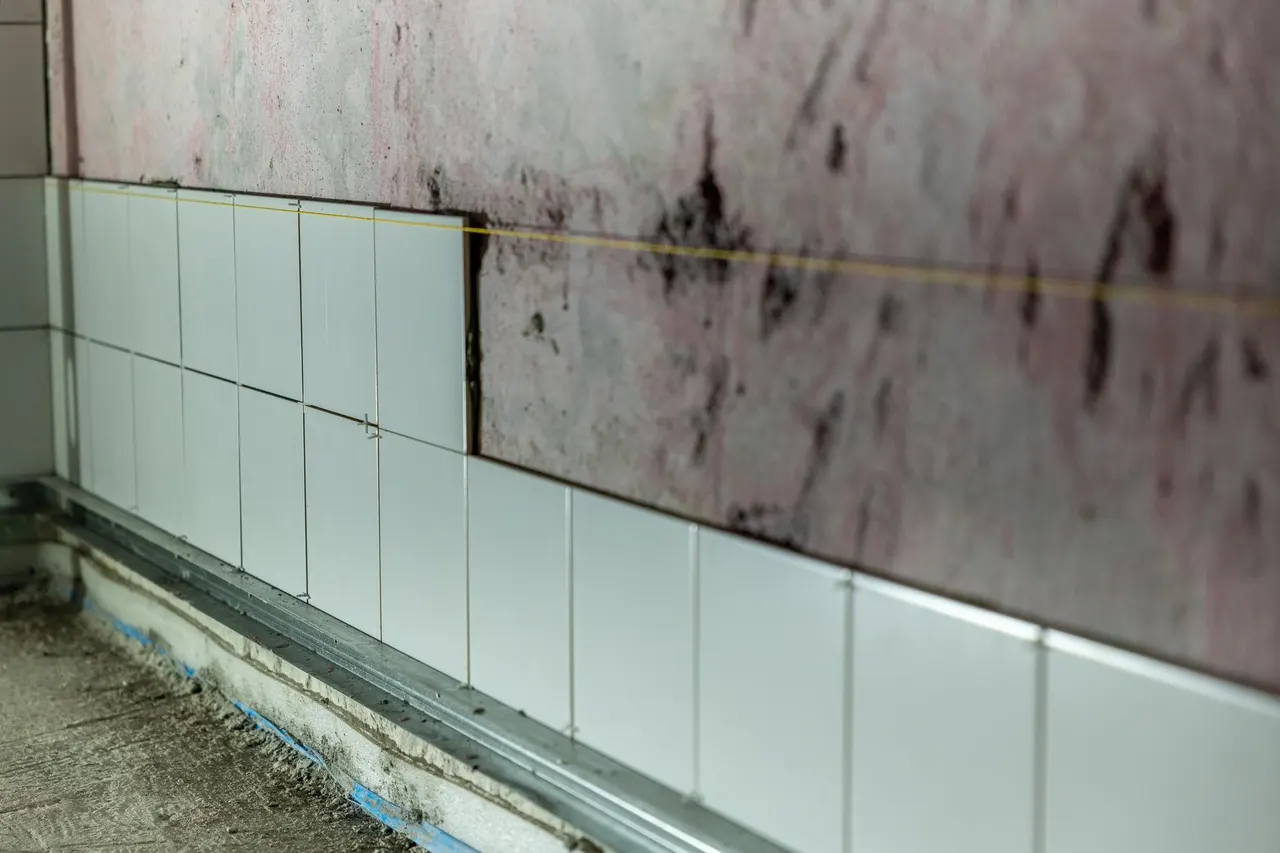
We dry the structure with dehumidifiers and air movers, use a moisture meter to verify every cavity, then apply antimicrobial coating. If growth is already present, we move to remediation with containment and HEPA filtration. Floodwater leaves behind moisture in wall cavities and flooring that surface drying does not reach. Mold can start in 24 to 48 hours.


A practical standard for every visit.
Clear planningPrepared arrivalsCareful workLocal follow-through
Experience in the details
Mold Prevention Experience You Can Verify
Oklahoma Mold Force has worked Oklahoma County since 2012, and prevention has been part of that work from the start. Our technicians hold IICRC credentials including Applied Microbial Remediation Technician (AMRT) and Water Restoration Technician (WRT), and we follow the IICRC S520 standard for mold work. We have dried crawl spaces, attics, and commercial buildings after floods, ice storms, and burst pipes. That field time is why we can tell you in the first hour whether you need prevention or full remediation, and we will not sell you the bigger job if the smaller one is correct.
- IICRC AMRT and WRT certified technicians on every prevention crew
- ACAC Council-certified Microbial Remediation Supervisor (CMRS) oversight
- 14 years serving Oklahoma City and Oklahoma County since 2012
- Protimeter and FLIR diagnostic equipment on every inspection
- Written moisture readings before and after every job
Where we work
One local team. A lot of ground covered.
Quail CreekThe GreensHeritage HillsMesta ParkCrown HeightsEdgemere ParkBelle IsleLakehurstLincoln TerraceCleveland
Check my address Keep indoor humidity between 45 and 55 percent and fix water intrusions within 24 to 48 hours. In Oklahoma City, that means running a dehumidifier in the crawl space or basement from March through October, venting bathrooms and dryers outdoors, and checking under sinks and around the HVAC air handler monthly. If you have had a roof leak or a slab leak, have the cavity dried and treated professionally, because wall cavities stay wet long after the surface feels dry.
Yes, but only after the structure is fully dry. We dry the cavity with air movers and dehumidifiers until moisture readings match a dry standard, then apply an antimicrobial coating to the framing and subfloor. Skipping the drying step is the most common reason prevention fails. For how to prevent mold after water damage Oklahoma City OK homeowners deal with, the rule is simple: dry first, treat second, verify with a meter before closing the wall.
Hold indoor humidity below 60 percent, and aim for 45 to 55 percent to be safe. Mold growth slows dramatically under 60 percent and stops when surfaces stay dry. We set a hygrometer in the treated area so you can watch the number, and we size the dehumidifier to the cubic footage, not the square footage. In an Oklahoma summer, a crawl space without a dehumidifier will sit above 75 percent for weeks.
Yes. Ventilation removes the humid air that feeds mold, and it is one of the cheapest fixes we install. We add or repair bath fans, dryer vents, and crawl space vents, and we make sure HVAC returns are not pulling air from a damp basement. A bath fan that runs 20 minutes after a shower can drop bathroom humidity by 20 points. Pair that with a dehumidifier and you have a real prevention system.
Keep exploring
Related Services
Your next step is waiting
Schedule Mold Prevention Oklahoma City OK Today
One wet season is all it takes for mold to take hold. Call (405) 309-1272 and we will inspect, find the moisture source, and give you a written prevention plan with real numbers. IICRC-certified, insured, and working Oklahoma County since 2012.
Start with the basics
Contact Oklahoma Mold Force
Call us at (405) 309-1272 or email info@oklahomamoldforce.com. We answer the phone 24/7 for emergencies and can usually schedule an inspection within 24 hours. If you are dealing with mold in Oklahoma City, reach out today and we will get you a clear plan and a written price.