Mold Damage Repairs & Reconstruction
Mold Damage Repairs and Reconstruction Oklahoma City OK
Mold Damage Repairs and Reconstruction Oklahoma City OK is the rebuild phase that follows remediation, and it is the difference between a patched-up room and a home that is truly whole again. We replace mold-contaminated drywall, repair rot-damaged framing, and restore finishes so your Oklahoma City property looks and functions like it did before the moisture problem started. If you have had a roof leak, a slab leak, or a slow supply-line drip, you already know how fast mold can spread behind walls.
Service overview
What Mold Damage Repairs and Reconstruction Oklahoma City OK Involves
Mold Damage Repairs and Reconstruction Oklahoma City OK is the licensed construction phase that puts a home or commercial building back together after mold cleanup is finished. It covers removal of mold-contaminated drywall, insulation, and trim; replacement of water-damaged framing and subfloor; and installation of new materials that resist future moisture. We rebuild with mold-resistant drywall, closed-cell spray foam in rim joists, and antimicrobial coating on exposed framing. The work is code-correct and inspected, not a cosmetic patch job.
Oklahoma City homes deal with humidity swings, spring hail storms, and clay soil that shifts foundations. Those conditions drive water into places you cannot see: behind brick veneer, under attic insulation, and along crawl space joists. When a roof leak goes unnoticed for a week, Stachybotrys chartarum can start colonizing wet drywall paper. That is why mold damage restoration Oklahoma City is not just a cleaning task. It is a rebuild. Homeowners in ZIP codes 73114 and 73116 call us most often after a slow roof leak finally shows up as a ceiling stain.
Practical benefits
Why Rebuild Instead of Just Clean
Cleaning removes visible mold. Reconstruction removes the materials that feed it. Here is what a proper rebuild delivers for Oklahoma City property owners.
Restores Structural Integrity
Mold-damaged drywall and rotted framing lose load-bearing strength. We replace compromised studs, sheathing, and subfloor panels so walls and floors carry weight the way they were engineered to. In one Crown Heights bungalow, we replaced 14 linear feet of water-damaged bottom plate and two studs before closing the wall.
Stops Recurring Mold Growth
If you leave mold-contaminated drywall in place, spores stay in the paper and come back with the next humidity spike. We remove and replace those materials, then seal framing with antimicrobial coating. That breaks the cycle. Homeowners searching for mold damage repair near me in Oklahoma City often find us after a second or third mold bloom in the same room.
Protects Resale Value
Unpermitted or incomplete mold repairs show up in home inspections. We pull the right permits through the City of Oklahoma City, build to current code, and document the work. A finished, inspected rebuild keeps your appraisal and resale numbers intact instead of forcing a price cut at negotiation.
Prevents Secondary Water Damage
Once drywall is open, we can see the real source. We fix failed flashing, replace cracked supply lines, and correct grading that pushes water toward the foundation. That is how post-mold-removal reconstruction Oklahoma City turns a repair into a permanent fix rather than a repeat call next spring.
How service works
Our Reconstruction Process, Step by Step
We keep the job moving with clear phases so you know what is happening and when. Most residential rebuilds take three to ten working days after remediation clearance.
STEP 01
Scope and Document
We walk the property with a moisture meter and infrared thermal imaging camera to map every wet or mold-affected area. You get a written scope with material quantities, a start date, and a finish date. This step takes 60 to 90 minutes on a typical Oklahoma City home.
Tools and methods
Tools and Methods We Use
Protimeter moisture meter
We check framing and subfloor moisture content before installing new materials. Readings must hit dry standard, or we keep drying.
FLIR infrared thermal imaging camera
Thermal imaging shows us hidden moisture behind walls and under floors without tearing everything open. It maps the true extent of the damage.
HEPA air scrubber and negative air machine
We run these during demolition to capture spores and keep them out of clean rooms. Negative pressure keeps the work area contained.
Dri-Eaz and Phoenix Restoration Equipment dehumidifiers
When framing is still wet, we dry it with commercial dehumidifiers and air movers before reconstruction. This prevents trapped moisture behind new drywall.
Borescope
We use a borescope to look inside wall cavities without large openings. It confirms whether mold has spread to the back side of drywall or into insulation.
XPOWER air movers
High-velocity air movers speed drying in wall cavities and subfloor assemblies. They cut drying time by 30 to 50 percent compared to ambient air.
IICRC S520 standard
We follow the IICRC S520 mold remediation standard for containment, removal, and clearance. It defines when materials must be removed versus cleaned and sets the verification criteria we build to.
EPA mold guidance
For residential projects, we follow EPA mold guidance on moisture control and material replacement. It shapes our approach to porous materials and ventilation corrections.
OSHA respiratory protection requirements
All crew members on containment work wear P100 respirator filters and disposable protective coveralls. We follow OSHA respiratory protection requirements for fit testing and exposure limits.
Antimicrobial coating application
After removal and drying, we apply antimicrobial coating to exposed framing and subfloor. This adds a layer of protection against future mold growth in the rebuilt cavity.
Where this service fits
When to Call for Reconstruction
A roof leak soaked the ceiling and wall of a bedroom in your Oklahoma City home.
We remove the mold-contaminated drywall and insulation, repair any rotted framing, replace the drywall, and match the ceiling texture. We also fix the flashing or shingle issue that caused the leak so it does not happen again. The room is dry, painted, and back in use in five to seven days. You get moisture readings and photos showing the wall was dry before it was closed.
A slab leak or supply-line drip soaked the baseboards and lower drywall in a hallway.
We cut out the wet drywall, dry the framing to dry standard, replace the bottom plate if it is soft, and install new mold-resistant drywall. Baseboards and paint are matched to the existing finish. The hallway looks untouched, and the moisture source is repaired. You avoid a second mold bloom because the cavity was verified dry before closing.
A commercial building had a roof drain backup that spread mold across a tenant space.
We work after hours to remove contaminated ceiling tiles and drywall, treat framing, and rebuild the ceiling grid and walls. We coordinate with the tenant and property manager so the space is usable again fast. The tenant reopens in four to six days. The rebuild is permitted and documented for the property owner's insurance claim.
A crawl space has mold on the joists and a failing vapor barrier.
We remove the old barrier, treat the joists with antimicrobial coating, sister any soft wood, and install a new vapor barrier and closed-cell spray foam on the rim joists. The crawl space is dry and sealed, and your floors feel solid again. We leave you with a moisture reading and a maintenance schedule.
Local execution
How Reconstruction Runs in Oklahoma City
Oklahoma City sits in a climate zone that swings from humid springs to dry, windy summers and occasional hard freezes. That cycle pushes moisture into building assemblies in ways that coastal or desert cities do not see. Older neighborhoods like Heritage Hills and Mesta Park have pier-and-beam foundations and original plaster walls, which means crawl space mold and plaster repair are common. Newer slab-on-grade homes in Quail Creek and Lakehurst tend to have mold along baseboards and under flooring after supply-line leaks. We also see attic mold from roof leaks after hail storms, especially in ZIP codes 73114 and 73116. When you search for mold damage restoration Oklahoma City OK after a roof leak, you need a crew that understands both the remediation and the rebuild. We pull permits through the City of Oklahoma City and build to current code, and we coordinate with ACAC-certified clearance professionals when third-party verification is required.
Heritage Hills
Plaster walls and pier-and-beam foundations mean crawl space moisture and plaster repair are common after mold removal.
Mesta Park
Historic homes with original wood framing need careful sistering rather than full stud replacement to preserve structure.
Quail Creek
Slab-on-grade construction often shows mold along baseboards after slow supply-line leaks.
Crown Heights
Older bungalows frequently have attic mold from roof leaks and inadequate soffit ventilation.
Lakehurst
Homes near the lake see higher humidity, which drives condensation mold on exterior walls.
Spring hail storms and roof leaks
Hail damages shingles and flashing, letting water into attic insulation. We see a spike in attic mold calls from April through June.
Expansive clay soil and foundation movement
Soil shifts crack slabs and foundation walls, creating moisture paths into crawl spaces and lower wall cavities. Rebuilds often include vapor barrier and drainage corrections.
High summer humidity and AC condensation
Condensation on cold supply lines and air handlers feeds mold in closets and utility rooms. We correct insulation and drainage during reconstruction.
Winter freeze events
Burst supply lines soak walls and floors. We handle the dry-out and rebuild, and we replace damaged pipe sections while walls are open.
Problems we solve
Mold Damage Problems We Solve in Oklahoma City
Mold damage rarely stays in one place. These are the most common problems we see when we open walls in Oklahoma City homes and what happens if they are left alone.
Hidden mold growth behind drywall after a slow leak
We use a borescope and infrared thermal imaging camera to find the full extent before demolition. Then we remove affected drywall, treat framing, and rebuild the cavity with mold-resistant materials. Spores spread through wall cavities and into adjacent rooms. By the time you smell it, the damage often covers 20 to 40 square feet.
Mold-contaminated drywall that keeps coming back
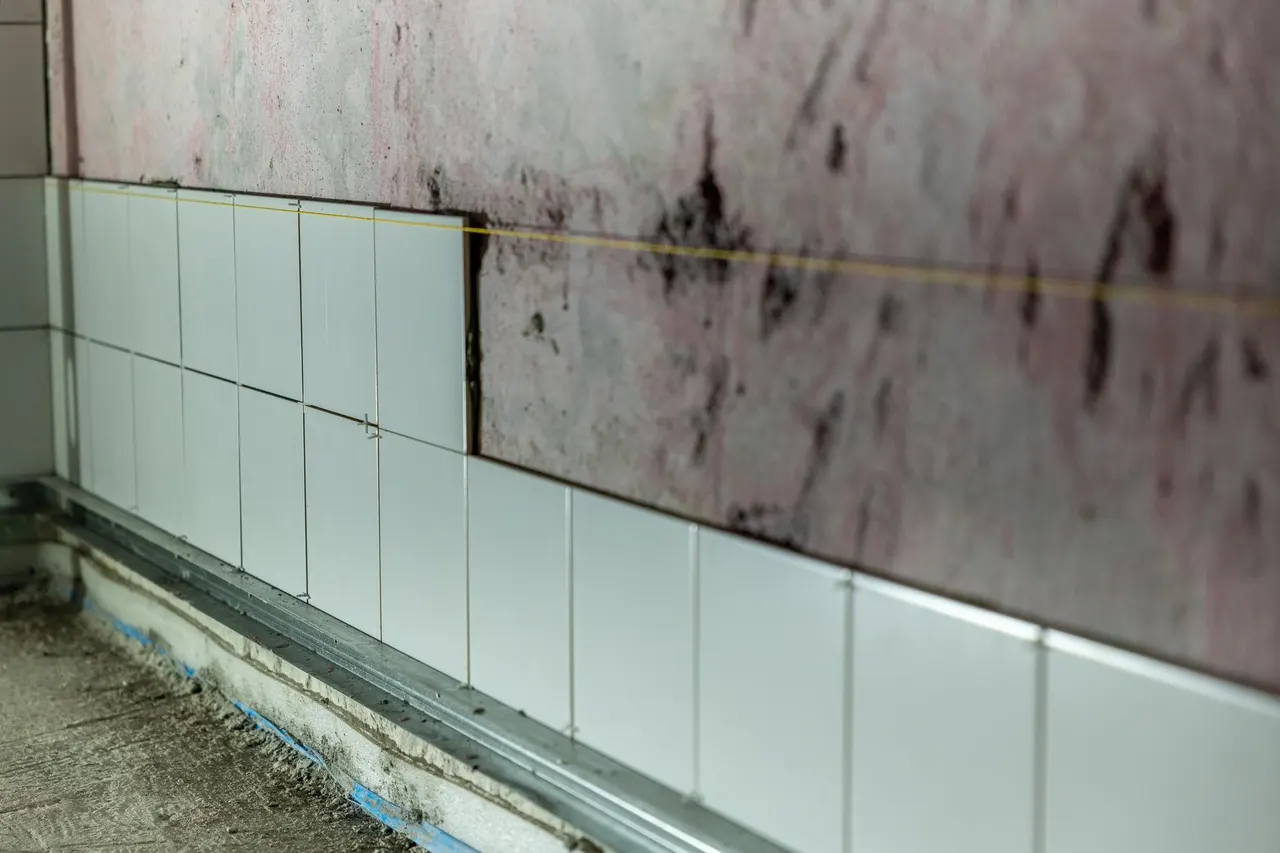
We cut out and replace contaminated drywall back to sound material, usually 12 to 24 inches past the visible growth line. New mold-resistant drywall goes up, and we seal the framing with antimicrobial coating. Cleaning the surface without replacing the drywall leaves mold roots in the paper. The next humidity spike brings it back within weeks.
Attic mold from roof leaks and poor ventilation
We remove mold-damaged sheathing and insulation, repair the leak source, and rebuild with new decking and ventilation. We also correct the flashing and intake vents that caused the moisture in the first place. Attic mold spreads across sheathing and rafters, and can drip condensation onto ceiling drywall below. Left alone, it rots the roof deck.
Crawl space mold and wood rot from foundation moisture
We replace the vapor barrier, treat and sister damaged joists, and install closed-cell spray foam on rim joists. New subfloor panels go down over dry, treated framing. Joists and subfloor absorb ground moisture, soften, and lose strength. Floors start to sag and bounce underfoot.
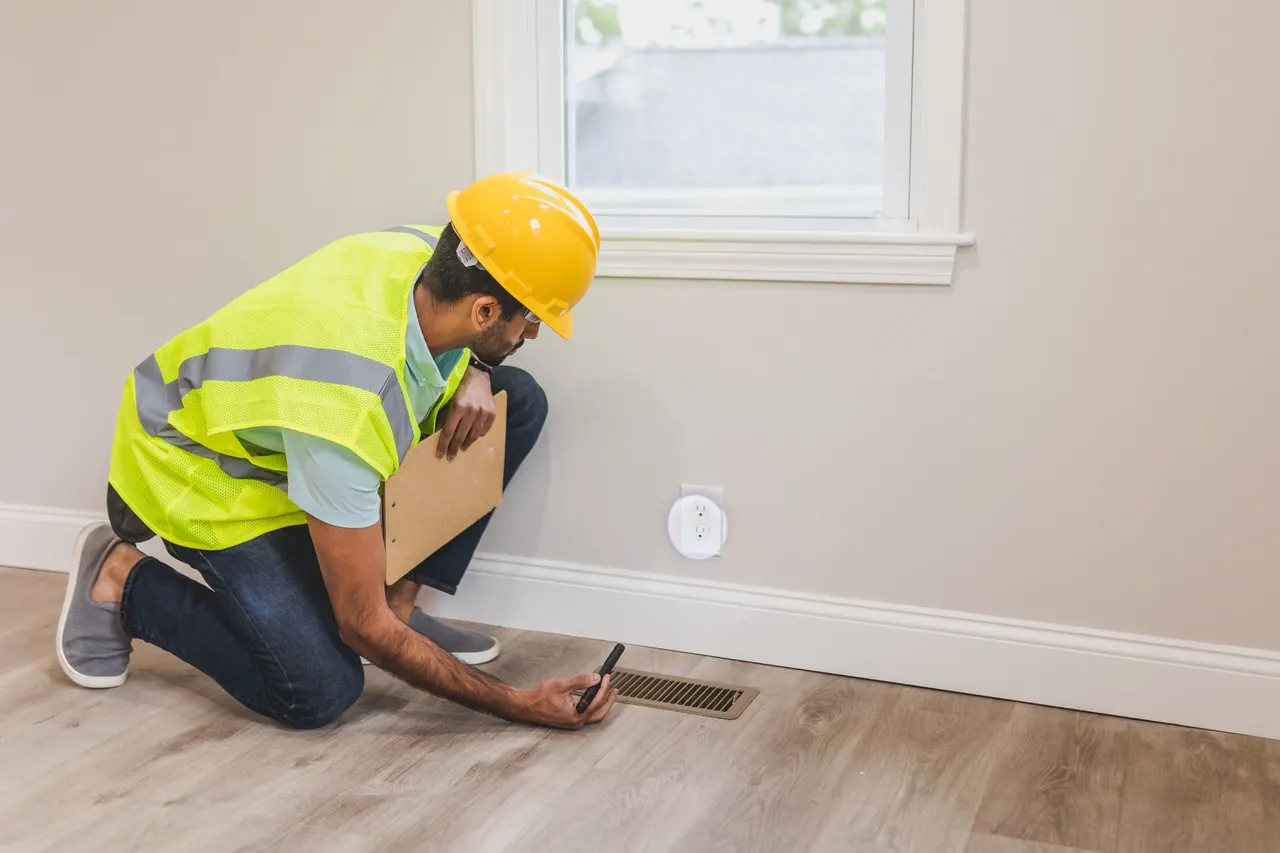
A practical standard for every visit.
Clear planningPrepared arrivalsCareful workLocal follow-through
Experience in the details
Rebuild Experience You Can Verify
Oklahoma Mold Force has been rebuilding mold-damaged homes and commercial spaces in Oklahoma City since 2012, which is 14 years of local reconstruction work. Our crews hold IICRC Applied Microbial Remediation Technician (AMRT), IICRC Water Restoration Technician (WRT), and IICRC Applied Structural Drying (ASD) credentials, and we follow EPA mold guidance on every project. We work directly with ACAC Council-certified Microbial Remediation Supervisor (CMRS) and Indoor Environmentalist (CIE) professionals when third-party clearance is required. That combination means the person who removes mold and the person who rebuilds after it are reading from the same playbook.
- 14 years rebuilding mold-damaged structures across Oklahoma County
- IICRC AMRT, WRT, and ASD certified crews on every reconstruction job
- EPA Renovation, Repair and Painting (RRP) certification for pre-1978 housing
- Direct coordination with ACAC CMRS and CIE clearance professionals
- OSHA respiratory protection compliance on all containment work
Where we work
One local team. A lot of ground covered.
Quail CreekThe GreensHeritage HillsMesta ParkCrown HeightsEdgemere ParkBelle IsleLakehurstLincoln TerraceCleveland
Check my address Before the visit
Frequently Asked Questions About Mold Damage Repairs and Reconstruction
Still wondering?(405) 309-1272
Yes, in most cases. If drywall paper or gypsum is mold-contaminated or has lost structural strength, we cut it out and replace it with mold-resistant drywall. Porous materials cannot be reliably cleaned. We remove affected sections back to sound material, typically 12 to 24 inches past the visible growth line.
Typical 2026 pricing for mold damage restoration Oklahoma City ranges from $1,800 to $8,500 for residential rebuilds, depending on square footage and how much framing is affected. A single-room drywall replacement usually lands between $1,800 and $3,200. Structural repairs, crawl space work, and commercial rebuilds push higher.
No. Reconstruction starts only after remediation passes clearance, either by visual inspection or air sampling. New materials installed over active mold will be contaminated within weeks. We schedule the rebuild for the day after clearance so the gap is short, usually 24 to 48 hours.
A licensed reconstruction contractor who understands mold. Oklahoma Mold Force handles both phases, so you are not coordinating between a remediation company and a separate builder. We rebuild drywall, framing, trim, and finishes, and we document the work for your insurance claim and future resale.
Keep exploring
Related Services
Your next step is waiting
Get Your Mold Damage Repairs and Reconstruction Oklahoma City OK Quote
We inspect, document, and price your rebuild before any demolition starts. Call (405) 309-1272 and we will schedule a same-day or next-day assessment. Licensed, insured, and rebuilding in Oklahoma City since 2012.
Start with the basics
Contact Oklahoma Mold Force
Call us at (405) 309-1272 or email info@oklahomamoldforce.com. We answer the phone 24/7 for emergencies and can usually schedule an inspection within 24 hours. If you are dealing with mold in Oklahoma City, reach out today and we will get you a clear plan and a written price.