How Oklahoma City Severe Thunderstorms Can Lead to Hidden Mold Growth
Oklahoma City thunderstorms and hidden mold growth are linked by one thing: water you never see. Here is where it hides and how to stop it.
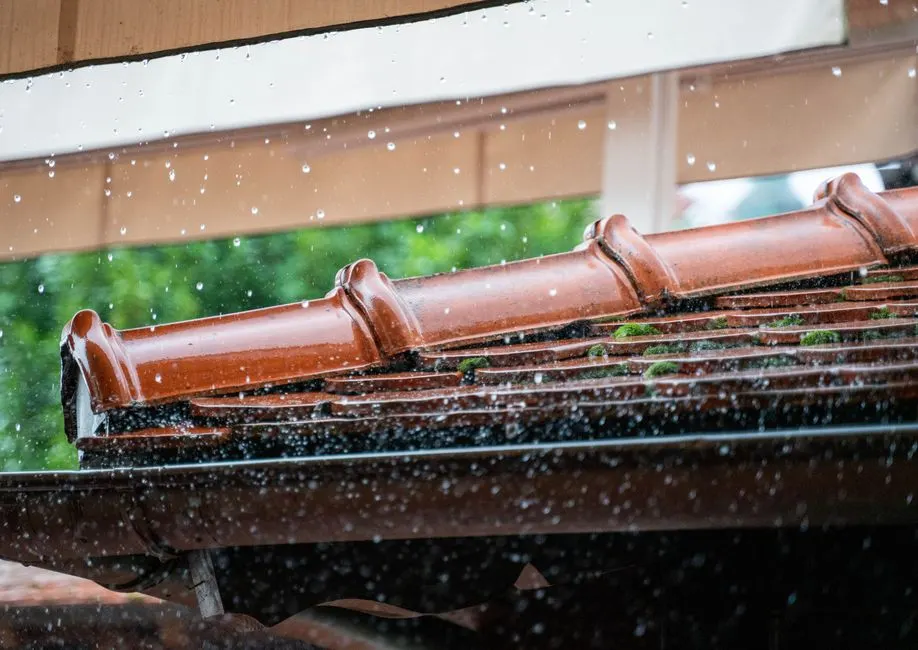
Oklahoma City thunderstorms and hidden mold growth are connected by a simple fact: mold needs water, and storms deliver water to places you never look. A single severe storm can push rain through a failed roof flashing, a cracked window seal, or a foundation weep hole, and mold can begin colonizing that wet material within 24 to 48 hours. This article walks through where the moisture hides, how fast mold develops, what to check after a storm, and when to bring in a professional.
We have run mold jobs across the metro long enough to know that the worst cases are never the ones homeowners saw coming. They are the ones that started with a slow drip behind a wall during a May hailstorm and were not discovered until the following spring.
Why Oklahoma City Thunderstorms Create Hidden Mold Problems
Oklahoma City thunderstorms and hidden mold growth are a recurring problem here because of how our storms behave. Between April and June, the metro averages roughly 20 to 25 severe thunderstorm days, and those systems routinely drop 1 to 3 inches of rain in under an hour. That volume overwhelms roof drains, window wells, and older foundation drainage systems that were sized for gentler rain.
When water enters a home during a storm, it rarely announces itself. It travels along the path of least resistance: inside wall cavities, under baseboards, behind siding, and beneath attic insulation. By the time a stain appears on the ceiling, the moisture has usually been sitting there for days.
Older housing stock makes this worse. In neighborhoods like Heritage Hills mold remediation services clients call us about, the homes were built in the 1920s and 1930s with plaster walls and minimal vapor barriers. Plaster holds moisture longer than modern drywall, and once it stays damp, mold has a stable food source for weeks.
Newer construction is not immune. Builder-grade window seals, poorly flashed roof valleys, and slab-on-grade foundations common in far northwest Oklahoma City all create entry points that only leak under wind-driven rain. A storm that pushes water sideways against a wall can force moisture past seals that handle vertical rain without issue.
How Soon Can Mold Grow After Storm Water Damage?
Mold can start growing on wet building materials in as little as 24 to 48 hours after storm water damage, and visible colonies typically appear within 5 to 10 days if the material stays wet. That timeline is the single most important number in this article.
Three conditions drive how fast it happens:
- Moisture level. Mold needs sustained dampness, not a quick splash. Materials that stay above roughly 60 percent relative humidity are at risk.
- Temperature. Oklahoma City homes sit between 68 and 78 degrees year-round. That range is ideal for mold growth.
- Food source. Drywall paper, wood framing, insulation backing, and cardboard boxes all feed mold. Concrete and metal do not.
In our experience, the homes that end up needing full Oklahoma City residential mold remediation are the ones where the leak went unnoticed for a week or more. A small roof leak discovered the same day is a drying job. The same leak discovered three weeks later is a remediation job.
Where Hidden Mold Grows After Heavy Rain in Oklahoma City
Hidden mold after heavy rain in Oklahoma City OK shows up in predictable places. When we inspect a home after a storm, we check the same zones every time because that is where the moisture ends up.
Attic and Roof Deck
Roof leaks are the most common storm-related moisture problem we find. Water enters at a lifted shingle, a failed pipe boot, or a cracked flashing, then soaks the roof deck and attic insulation. Because attics are hot and dark, mold can colonize the underside of the sheathing within a week. You may never see it from inside the house.
Wall Cavities Around Windows and Doors
Wind-driven rain pushes past worn weatherstripping and failed caulk lines. The water runs down inside the wall and pools at the bottom plate. By the time you notice bubbling paint or a soft spot in the drywall, the framing behind it has been wet for days.
Basements, Crawl Spaces, and Slab Edges
Oklahoma City's clay soil does not absorb water quickly. After a 2-inch rain, hydrostatic pressure builds against foundation walls and pushes water through hairline cracks and weep holes. Crawl spaces stay damp for weeks because there is no airflow. That is prime mold territory.
HVAC Air Handlers and Ductwork
If storm water enters through a roof jack near the air handler, it can drip onto the unit and into the duct system. Every time the system runs, it spreads mold spores through the house. This is one of the reasons we pair remediation with Oklahoma City HEPA air filtration on storm-related jobs.
Signs of Hidden Mold After an Oklahoma City Thunderstorm
Signs of hidden mold after an Oklahoma City thunderstorm are easy to miss because the mold itself is usually out of sight. What you notice first is the side effect, not the growth.
Watch for these:
- A musty, earthy smell that lingers in one room, especially after the AC runs.
- New allergy-like symptoms that show up at home and fade when you leave.
- Paint or wallpaper that bubbles, peels, or feels soft to the touch.
- Dark staining on ceiling drywall, even if it looks dry now.
- Warped baseboards or a floor that feels spongy near an exterior wall.
- Condensation on windows that was not there before the storm.
One sign alone does not confirm mold. Two or more together after a severe storm usually means moisture is still trapped somewhere. That is when a proper Oklahoma City mold inspection pays for itself, because guessing at the source wastes time you do not have.
What to Do in the First 24 Hours After Water Intrusion
The first 24 hours after storm water enters your home determine whether you are looking at a drying job or a remediation job. Move quickly and document everything.
- Stop the water source if you can. If a window is leaking, close it and seal it temporarily. If the roof is the source, do not climb up in wet conditions. Call a roofer.
- Photograph and video everything. Your insurance adjuster will want evidence of where the water came in and what it touched.
- Remove standing water. Towels, a wet-vac, or a mop will do. The goal is to get surfaces dry, not just less wet.
- Pull back wet materials. If carpet or a rug is soaked, lift it and get air underneath. If baseboards are wet, note it but do not tear out walls on your own.
- Run air movers and a dehumidifier. Aim for 24 to 48 hours of continuous drying. Oklahoma City humidity in spring and summer will undo your progress if you stop early.
- Do not run the HVAC if you suspect mold in the ducts. You will spread spores to every room.
If the water came in through a foundation crack or a failed sump, the drying job is bigger than box fans can handle. That is when water damage drying Oklahoma City equipment matters, because commercial dehumidifiers pull moisture out of framing that household units cannot reach.
Common Mistakes That Make Storm Mold Worse
We see the same mistakes on storm-related mold calls across the metro. Avoiding them can save you thousands.
Mistake 1: Assuming drywall that looks dry is dry. Drywall paper can feel dry to the touch while the gypsum core and the framing behind it are still holding water. A moisture meter tells the real story. Without one, you are guessing.
Mistake 2: Painting over a water stain. Stain-blocking primer hides the evidence but does not stop the mold. If the material underneath is still damp, the mold grows through the paint within weeks.
Mistake 3: Bleaching visible mold and calling it done. Bleach kills surface mold on non-porous materials. It does not penetrate drywall, wood, or insulation, and it does not address the moisture source. The mold comes back.
Mistake 4: Waiting for the insurance adjuster before drying. You can document the damage and start drying the same day. Mold does not wait for paperwork.
Mistake 5: Ignoring the crawl space. If your crawl space has a dirt floor and no vapor barrier, every storm adds humidity that stays for weeks. We see this constantly in older neighborhoods like Mesta Park mold remediation services clients call us about, where pier-and-beam foundations are common.
When to Call a Mold Professional After a Storm
Call a mold professional after a storm when water has been in contact with building materials for more than 48 hours, when you smell mustiness you cannot trace, or when the affected area is larger than about 10 square feet. Those are the thresholds where DIY drying stops working and remediation begins.
At Oklahoma Mold Force, we start every storm-related job the same way: we find the moisture source, map how far it spread, and test the affected materials before we remove anything. If the mold is contained to a small area, we tell you. If it has reached the wall cavity or the HVAC system, we show you what we found and what it takes to fix it.
We handle Oklahoma City black mold removal on storm jobs more often than any other type, because the dark, damp conditions inside wall cavities and crawl spaces are exactly where Stachybotrys takes hold. The sooner we get eyes on it, the less material we have to remove.
Frequently Asked Questions
Can Oklahoma City thunderstorms cause hidden mold growth?
Yes. A severe storm can force water into wall cavities, attics, and crawl spaces where it stays damp for days. Mold can begin growing in 24 to 48 hours, and you often will not see it until it has spread well beyond the entry point.
How soon can mold grow after a storm-related leak?
Mold can start colonizing wet drywall, wood, or insulation within 24 to 48 hours. Visible colonies usually appear in 5 to 10 days. The faster you dry the area, the lower your risk of needing full remediation.
Where should I look for moisture after heavy rain?
Check the attic decking, wall cavities around windows and doors, baseboards on exterior walls, crawl spaces, and the area around your HVAC air handler. Use a moisture meter if you have one. Musty smells and soft drywall are your next best clues.
What should I do if a thunderstorm causes water damage?
Stop the water source if it is safe, photograph everything, remove standing water, and run air movers and a dehumidifier for 24 to 48 hours. Do not paint over stains or run the HVAC if you suspect mold in the ducts. Call a professional if the area is larger than 10 square feet.
When should I call a mold professional after a storm?
Call when moisture has been trapped for more than 48 hours, when the affected area exceeds 10 square feet, when you smell mustiness you cannot locate, or when water reached the HVAC system. A professional inspection and moisture mapping will tell you exactly what you are dealing with.
Get Help with Mold Remediation in Oklahoma City
If a recent storm left you with a musty smell, a water stain, or a crawl space that never dried out, we can find the source and fix it before it spreads. Oklahoma Mold Force handles mold removal Oklahoma City homeowners trust after severe weather, from inspection through final clearance.
Call us at (405) 309-1272 and we will schedule a moisture inspection at your home.